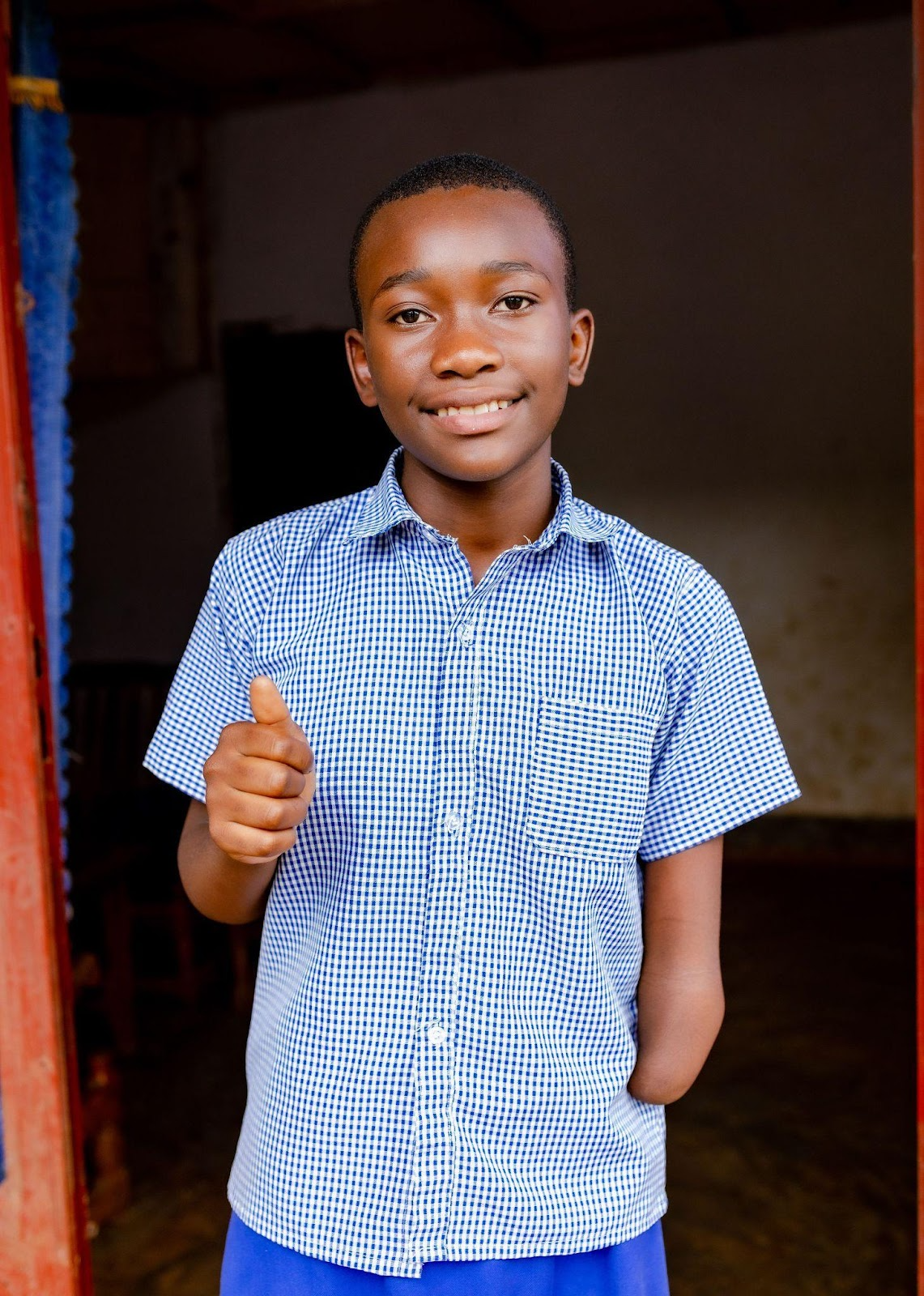
Born with an arm disability in Western province, Rusizi, Delice Lover Niyoyabikoze believed her dream of becoming a doctor was impossible. Everything changed when she joined the health club through the NDINDA NIGE (Protect me to learn) under the LIFT Programme. There, she found more than just lessons about health; she found her voice, her confidence, and a renewed belief in her future. Lives are changing, and young learners are finding their voices and rewriting their success stories.
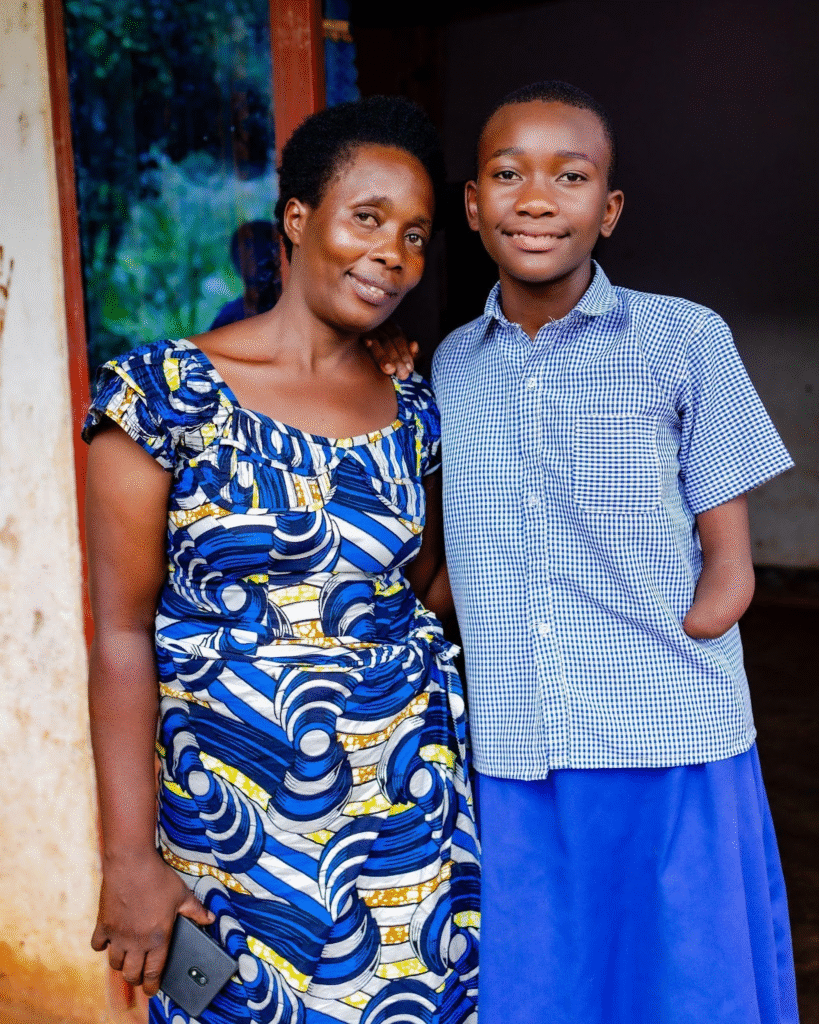
For years, Delice struggled with isolation and low self-esteem. Classmates would point out her disability, leaving her feeling different and unwelcome. “I used to skip school often,” she admits. “I didn’t like school.” Her mother remembers those days well, describing how Delice avoided her peers and withdrew from social activities. “I kept telling her that disability is not the end of life, but it was difficult for her to believe it,” she says.
When Delice joined the Health Club, part of the NDINDA NIGE Project, she entered a space where encouragement replaced criticism, and ability mattered more than disability. Through interactive sessions, games, and discussions with trusted mentors, she learned vital life skills and received guidance that helped her rebuild her confidence.
“Before I joined the health club, I was going through a difficult time; I lacked self-confidence and avoided being around others, isolating myself because I have a disability and I didn’t feel like I was like them.”
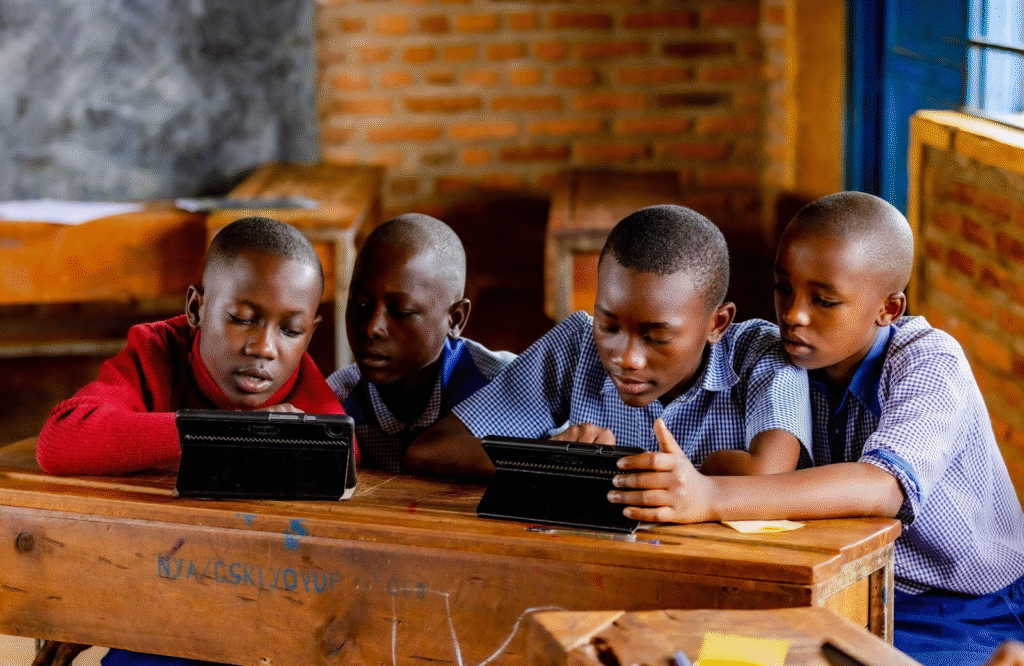
Her teachers noticed the transformation, too. Head teacher Emmanuel recalls a moment that marked a turning point: “During a club activity, Delice competed and won. That victory showed her that her disability could not stop her from achieving her goals. From then on, she became an active leader, encouraging and advising her fellow students.”
The changes reached beyond her self-esteem. Her school performance improved, her attendance became consistent, and her interactions with classmates grew warmer. “Being part of the Health Club has really made her happy,” her mother says. “She no longer isolates herself, and she is doing well in school.”
The NDINDA NIGE initiative proves that when students, especially those with disabilities, are given safe spaces to learn and grow, they thrive. Health clubs like these are not just about teaching hygiene or nutrition; they are about empowering young people with the confidence and resilience they need to succeed.
Today, Delice has a message for others facing similar struggles:
“To children who don’t like school like I used to, and who didn’t follow their studies properly, I would like to tell them to stay focused on their education, because having a disability doesn’t take anything away from them. They are just like everyone else, and they should study well and follow their dreams, because they have the ability to learn.”
Her story is a testimony to what happens when communities invest in inclusive education and when every child is given the tools and support to dream and achieve without limits.